
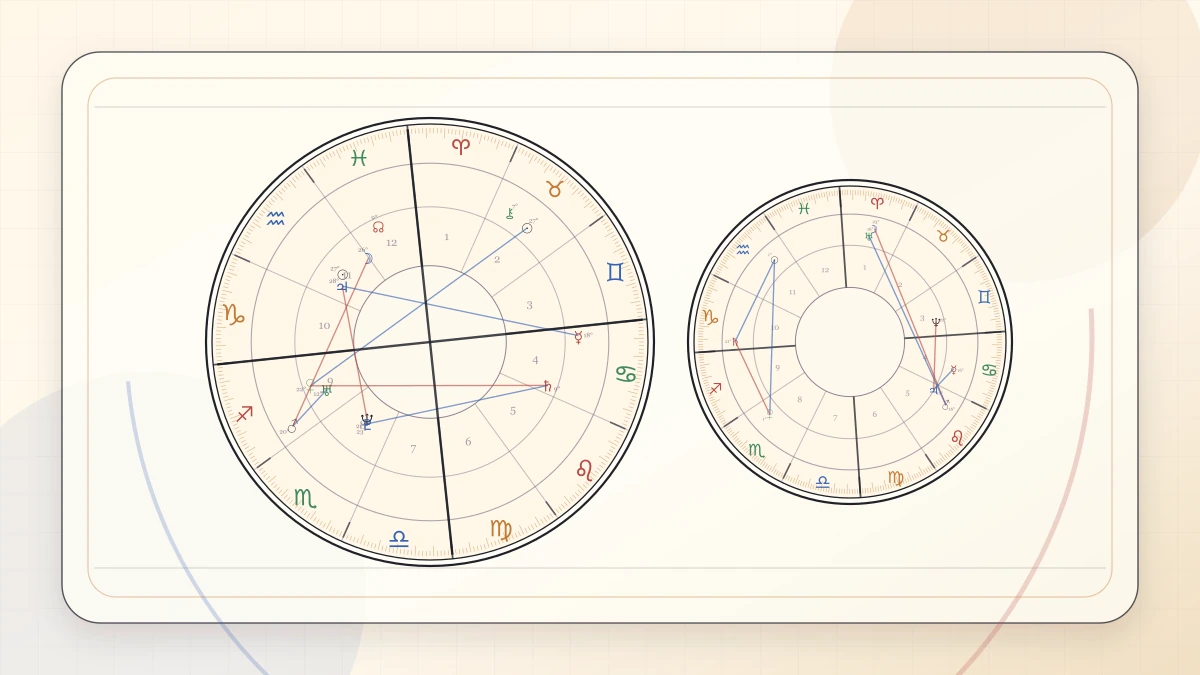
Planetary Transits
Outer-Planet Transits vs Inner-Planet Transits
Transit articles are most useful when they help you read timing with context. The point is to show what kind of pressure, opportunity, or review cycle may be building and how to work with it.
Quick answer
A transit is a timing pattern. Read it as a window of emphasis and compare it with your full chart when you want the personal layer.
Table of contents
What this transit highlights
Outer-Planet Transits vs Inner-Planet Transits usually becomes clearer when you ask what kind of pattern is being emphasized. Is it a review cycle, a confidence cycle, a pressure cycle, or a long-term restructuring period?
That framing immediately makes the article more useful because you stop looking for one dramatic headline and start looking for the kind of season you are in.
Think in timing windows, not one dramatic date
Transits often build, peak, and unwind. Most people get better results when they track the window instead of focusing only on one exact date.
This is especially true for retrogrades and slower planets, where the lesson often unfolds through repetition instead of one event.
- Check whether the transit is part of a longer sequence or a quick pass.
- Notice which natal planets or houses are being touched repeatedly.
- Use the calculator when you need the exact chart context rather than general meaning.
Common mistakes with transit articles
The biggest mistake is reading every transit in isolation. The second biggest mistake is ignoring the natal chart and treating a generic transit meaning like a complete personal forecast.
A grounded article should help you think better and compare the sky pattern with the chart details that matter.
What this means for you
Use the transit as context for planning, pacing, and awareness. If the question is personal, exact, or high-stakes, move to a transit-to-natal or full-chart tool next.
That is usually where a timing article stops being interesting and starts being useful.
Outer-Planet Transits vs Inner-Planet Transits quick reference
Use this quick reference as the high-level map for outer-planet transits vs inner-planet transits. It shows what to check first, what to compare next, and which part of the guide matters most when you want a useful answer instead of a vague impression.
For planetary transits and retrogrades, the premium reading starts with which transit, retrograde, or timing window is active. From there, compare planet speed, aspect type, retrograde phase, house contact, and repeated hits with current transits, transit-to-natal contacts, returns, and the natal house being activated so the article becomes a practical decision aid rather than a loose list of meanings.
| Step | What to check | Why it matters |
|---|---|---|
| Transit type | Identify the planet and whether it is fast, slow, direct, or retrograde. | Shows whether the pattern is short-term or a longer season. |
| Chart contact | Check which natal planet, house, or angle is involved. | Turns general sky meaning into personal relevance. |
| Timing window | Track build, peak, and unwind rather than one dramatic date. | Reduces overreaction and improves planning. |
| Best response | Choose review, action, patience, or restructuring based on the pattern. | Makes the guidance usable in daily life. |
Reference chart
Outer-Planet Transits vs Inner-Planet Transits reference chart
A scan-friendly view of the core layers behind this guide, built to help you decide what to read, compare, and calculate next.
Time scale
Window
Most transits are better read as phases, not single-day verdicts.
Personal key
Natal contact
The birth chart shows where a transit becomes personal.
Reading lens
Stay steady
Use the transit to plan, reflect, and compare the larger timing window.
Tool path
Transit chart
A calculator can show the exact house, aspect, and timing sequence.
How to use this guide well
Outer-Planet Transits vs Inner-Planet Transits becomes more helpful when you treat the article as a reading framework. Start with the question the page answers, then compare that answer with the chart layer, timing layer, or symbolic layer that applies to the topic. That sequence keeps the meaning clear and useful.
Use it to understand timing pressure, review cycles, growth windows, and planning cues without turning astrology into panic.
The best reader takeaway is a cleaner way to notice patterns, ask better follow-up questions, and decide whether a calculator, article, or personal chart detail should be checked next.
- Read the quick answer first so you know the core point.
- Use the table to decide what to check before you personalize the meaning.
- Compare the article with at least one related calculator or supporting guide.
- Write down one practical question the guide helps you answer today.
Make the reading more useful
A premium astrology or numerology article should give you language for a pattern, a timing cue, a chart layer, or a reflective practice. Outer-Planet Transits vs Inner-Planet Transits becomes strongest when the idea is connected to the details that matter for the question.
Transit meanings are strongest when the timing window is compared with the natal chart and the house being activated.
When the topic feels personally important, the next step is to move from general meaning into context. Use Transit and Forecast Tools, compare nearby articles, and keep the interpretation connected to real choices, real relationships, and the actual details available to you.
- Check whether the article describes a quick transit, slow transit, retrograde, station, or return.
- Look for the house and natal planet being contacted before personalizing the meaning.
- Track the whole window instead of overloading the peak date.
- Use a transit calculator when the timing needs precision.
Frequently asked
How should I read this transit?
Read it as a pattern or timing emphasis that may describe pressure, opportunity, review, or a useful window for attention.
How long does this transit usually matter?
That depends on the planet and the type of contact, but the most useful frame is almost always a window rather than a single date.
When do I need an exact chart tool?
Use one when the answer depends on houses, exact aspects, repeated hits, or how the transit lands on your natal chart.
Why do transit meanings feel generic sometimes?
Because general meanings describe the sky pattern, not your personal chart. Exact chart context is what turns it into a personal answer.
What should I compare after this guide?
Current transits, transit-to-natal, retrograde calendars, and return chart tools are usually the next best step.
Related calculators
Use the matching tool when you want a direct chart or timing result after reading the guide.
Current Transits Calculator
Exact current-sky snapshot for a selected city, built for repeat-use daily astrology readers.
Transit to Natal Calculator
Exact current-sky comparison against one verified natal chart for more personal practical transit guidance.
Retrograde Calendar
Exact retrograde-period page for year-based planning, editorial planning, and current-sky timing checks.
Related articles
Keep reading with nearby topics that deepen the same question from another angle.
2026 Astrology Guide
Use this guide to plan around timing patterns, yearly themes, and the bigger rhythm behind shorter forecasts.
12 min read
Solar Return Chart Guide: How to Read the Year Without Overpredicting It
Use this guide to plan around timing patterns, yearly themes, and the bigger rhythm behind shorter forecasts.
11 min read
Nodal Transits Explained
Use this guide to understand timing patterns, current sky themes, and how transits connect with your chart.
9 min read
How Long Do Transits Last?
Use this guide to understand timing patterns, current sky themes, and how transits connect with your chart.
10 min read
Keep exploring
Use the category page and the main hubs when you want the next layer of context.
Transit and retrograde guides that stay grounded and practical
Start here when you want to understand retrogrades, returns, current transits, and how the moving sky interacts with the birth chart.
Articles hub
Browse more current-transit, yearly, and forecast-support guides.
Horoscope hub
Move from sign-based forecasts into exact transit and timing tools.
Transit & Forecast Tools
Use current transit, return chart, and planning tools together.
Previous article
Nodal Transits Explained
Next article
How Long Do Transits Last?